Finding the Best Pool Contractor Services for Your Dream Pool
Finding the right pool contractor is an important step in achieving one's vision of a perfect pool. It requires a deliberate approach to defining specific needs and preferences. Understanding the essential qualities of a contractor can greatly impact the final result. Additionally, knowing what questions to ask and how to set a budget is necessary. As the process unfolds, the nuances of timelines and contracts will also become relevant, exposing further dimensions of the decision-making experience.
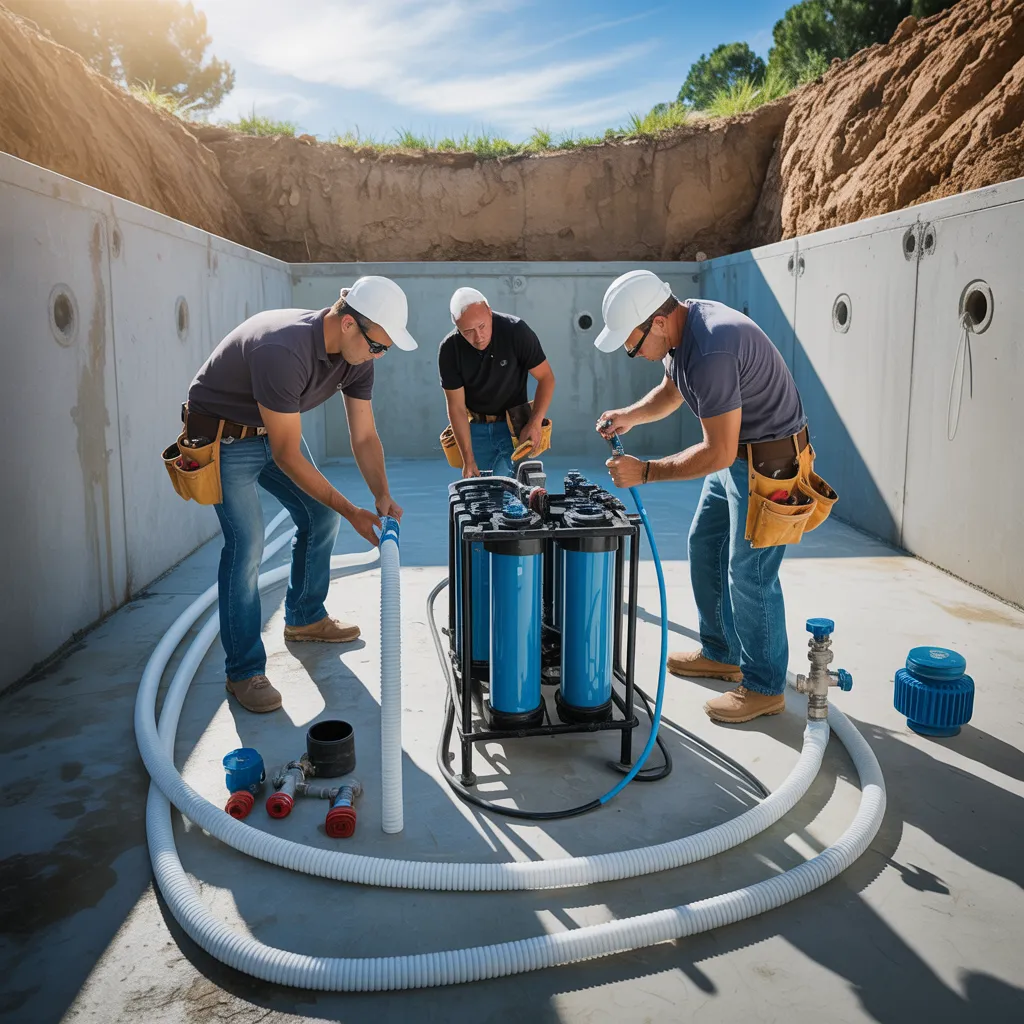
Clarify Your Vision for a Pool Contractor
How can one effectively define their vision for a pool contractor? As a starting point, homeowners should clearly define their particular preferences for the pool, covering size, shape, and visual elements. This clarity helps in conveying intentions to potential contractors. Furthermore, homeowners should evaluate the intended use of the pool, determining if it will serve recreational, fitness, or therapeutic purposes. Incorporating features like waterfalls, lighting, or landscaping can further refine the vision.
In addition, budget constraints play a significant role in shaping expectations. A practical budget enables individuals to focus on essential components while acknowledging project boundaries. Researching various styles and materials can spark fresh and original ideas, ensuring the vision remains fresh and achievable. To conclude, having a well-established timeline for completing the project will assist in choosing a contractor who can fulfill these time requirements. By articulating these components, individuals can establish a thorough and complete vision that guides their selection of the right pool contractor.
Important Qualities to Consider When Hiring a Pool Contractor
With a well-defined vision in place, the following step requires finding the ideal pool contractor to make that vision a reality. Important qualities to take into account include experience and expertise in pool design and construction. A trustworthy contractor should have a portfolio displaying past projects highlighting their capability to address different styles and budgets. Communication skills are also vital; the contractor must be approachable and transparent, ensuring that clients remain informed throughout the process.
Additionally, a strong professional will possess proper licenses and insurance, ensuring peace of mind regarding regulatory compliance against unforeseen liabilities. Reviews and client feedback can offer important details into the contractor's professionalism and reliability. Lastly, a great pool contractor should be able to deliver a comprehensive contract covering warranties, costs, and timelines, highlighting their pledge to excellence and responsibility. By focusing on these critical factors, individuals can reach informed decisions in their quest for the ideal pool contractor.
Important Questions to Ask Pool Contractors
When hiring a pool contractor, it is essential to discuss project timeline parameters to guarantee timely completion. Moreover, understanding the contractor's coverage and certification details can defend against potential issues. These critical questions will assist homeowners in making well-informed choices and identify a dependable professional.
Expected Project Timeline
Understanding project timeline expectations is essential when hiring a pool contractor. Clients should inquire about the estimated duration for each phase of the pool construction process. Important questions to ask include: How long will the design phase take? How long will excavation and installation be expected to take? Furthermore, it is critical to inquire about possible setbacks caused by weather or supply chain disruptions. Contractors should provide a clear schedule that outlines milestones and completion dates. Comprehending these schedules enables homeowners to establish reasonable expectations and prepare appropriately. Moreover, clients should confirm how often they will receive updates on progress and any changes to the timeline. This level of communication cultivates reliability and promotes a more streamlined construction journey.
Licensing And Insurance Details
Before engaging a pool contractor, confirming their insurance and licensing is vital to secure a safe and regulation-compliant project. Homeowners should require contractors to provide proof of insurance, including liability and workers' compensation coverage. This safeguards homeowners against potential financial risks stemming from accidents or damages during the construction process. Additionally, confirming that the contractor holds a valid license guarantees adherence to local regulations and industry standards. Homeowners should ask about the particular licenses mandated in their state, as these can differ significantly. It's also wise to review any disciplinary actions or complaints filed against the contractor. By addressing these critical questions, homeowners can safeguard their investment and guarantee a smoother pool construction process.
How to Set a Budget for Your Dream Pool
Planning a budget for your dream pool necessitates careful consideration of several factors. First, one must determine the comprehensive costs involved in pool installation, encompassing both materials and labor costs. Furthermore, it is important to account for ongoing maintenance expenses while also considering design decisions that may significantly impact the overall cost.
Assess Complete Pool Pricing
Assessing the overall budget of a pool involves thoughtful consideration of multiple factors that shape budget planning. Residents should initiate by evaluating the kind of pool chosen—in-ground or above-ground—as each carries different price ranges. Further costs may emerge from materials, measurements, and the intricacy of the design. Site readiness, outdoor landscaping, and needed permits also impact the total price. Moreover, incorporating features like water features, lighting, or heating can significantly affect the overall budget. It is also wise to account for unforeseen expenses during the installation process. By detailing these factors, property owners can establish a well-informed spending plan, confirming they stay within their financial limits while realizing their desired pool. Thorough planning ultimately produces informed decisions and a successful conclusion.
Factor In Maintenance Costs
While planning for a dream pool, factoring in maintenance costs is essential for a comprehensive budget. Homeowners must evaluate the continuous costs linked to pool care, such as water treatment, cleaning products, and equipment servicing. Consistent maintenance can reduce the risk of major repair costs later, making it a fundamental component of responsible pool ownership. Additionally, utilities such as water and electricity play a significant role in overall expenses, as they change according to usage patterns and local utility rates. Reserving a designated monthly budget for these expenditures allows homeowners to enjoy their pool free from unexpected financial stress. By calculating these costs upfront, individuals can create a realistic and thorough budget that accommodates both initial installation and long-term maintenance needs.
Consider Design Choices
Incorporating design elements significantly affects the total cost for a desired pool. Homeowners must evaluate factors such as pool shape, size, and features like waterfalls, lighting, and decking materials. Every design feature can significantly change expenses, with complex additions frequently demanding more labor and materials.
Furthermore, the selection of finish options—whether opting for plaster, tile, or vinyl—can influence both visual appeal and financial considerations. Pool owners should also take into account landscaping and surrounding amenities, as these contribute to the overall experience and functionality of the pool area.
To determine a reasonable budget, it is important to focus on design components that reflect individual tastes while staying aware of total expenses. Consulting with skilled contractors can further refine these choices within budgetary limits.
Key Things to Know About Pool Construction Timelines
Grasping pool building schedules is vital for homeowners looking to improve their backyard area. Generally, the whole project can take anywhere from several weeks to a few months, based on a number of factors. The early design and permit acquisition phases frequently demand a number of weeks, as securing the required permits can be time-consuming.
After permits have been obtained, the digging phase typically requires a few days, followed by setting up the plumbing and electrical systems. The building process of the pool structure, be it concrete or fiberglass, could span an additional few weeks.
Subsequent phases, including decking, full article landscaping, and finishing touches, will factor into the complete timeframe. Weather conditions and contractor availability may also influence finish dates. Recognizing these factors allows homeowners to set realistic expectations, guaranteeing they stay updated throughout the construction process. Through awareness of potential outcomes, they can more effectively coordinate their plans and timetables.
Advice for Examining Contracts With Your Pool Contractor
Having learned about the pool construction timeline, homeowners must turn their attention to the contracts provided by their pool contractors. A comprehensive review of the contract is crucial for ensuring that all expectations are clearly defined. Homeowners should start by ensuring that all project details, including costs, materials, and timelines, are explicitly outlined. It's crucial to check for clauses regarding changes or delays and recognize the significance of each stipulation.
In addition, homeowners should closely inspect the payment timeline, ensuring it corresponds to project milestones. This guards against overpayment before work is completed. Warranty terms should additionally be clearly defined, encompassing materials and workmanship.
Finally , homebuyers should verify that the builder is licensed and insured , as this provides protection from unforeseen risks . Engaging a legal expert for a comprehensive evaluation can offer greater assurance , ensuring that all terms are fair and thorough .
Commonly Asked Questions
What Pool Types Do Contractors Commonly Specialize In?
Pool contractors commonly specialize in various pool types, including above-ground, inground, fiberglass, vinyl liner, and concrete pools. Each type offers unique benefits and aesthetic options, catering to varied tastes and financial considerations for homeowners looking for swimming pool solutions.
How Can I Confirm a Contractor's Licensing and Insurance?
To confirm a contractor's credentials and coverage, you should request proof of insurance coverage and check state licensing boards. Furthermore, contacting previous clients and reviewing online reviews can give greater peace of mind of the contractor's legitimacy.
What Warranties Do Pool Contractors Usually Offer?
Pool contractors typically offer warranty coverage for workmanship, equipment, and materials. These warranties may range from one to ten years, guaranteeing protection against defects and giving peace of mind for homeowners making investments in pool installations.
Can Contractors Help With Landscaping Around the Pool?
Absolutely, pool contractors regularly provide assistance with pool area landscaping, providing services such as outdoor space design, planting, and hardscaping. Their proficiency guarantees a cohesive look that elevates the aesthetic appeal and functionality of the pool surroundings.
What Are the Typical Hidden Costs in Pool Construction?
Common hidden costs in pool construction include digging complications, soil removal expenses, supplemental permits, landscape changes, plumbing modifications, and unanticipated ground conditions. Homeowners should prepare for these expenses to avoid budget overruns during the project.